Let’s get to know your level
We discuss your current motorcycle licence, motorcycle experience and educational goals. We note that a first-time candidate and a returnee to riding may not need the same repetition pattern.
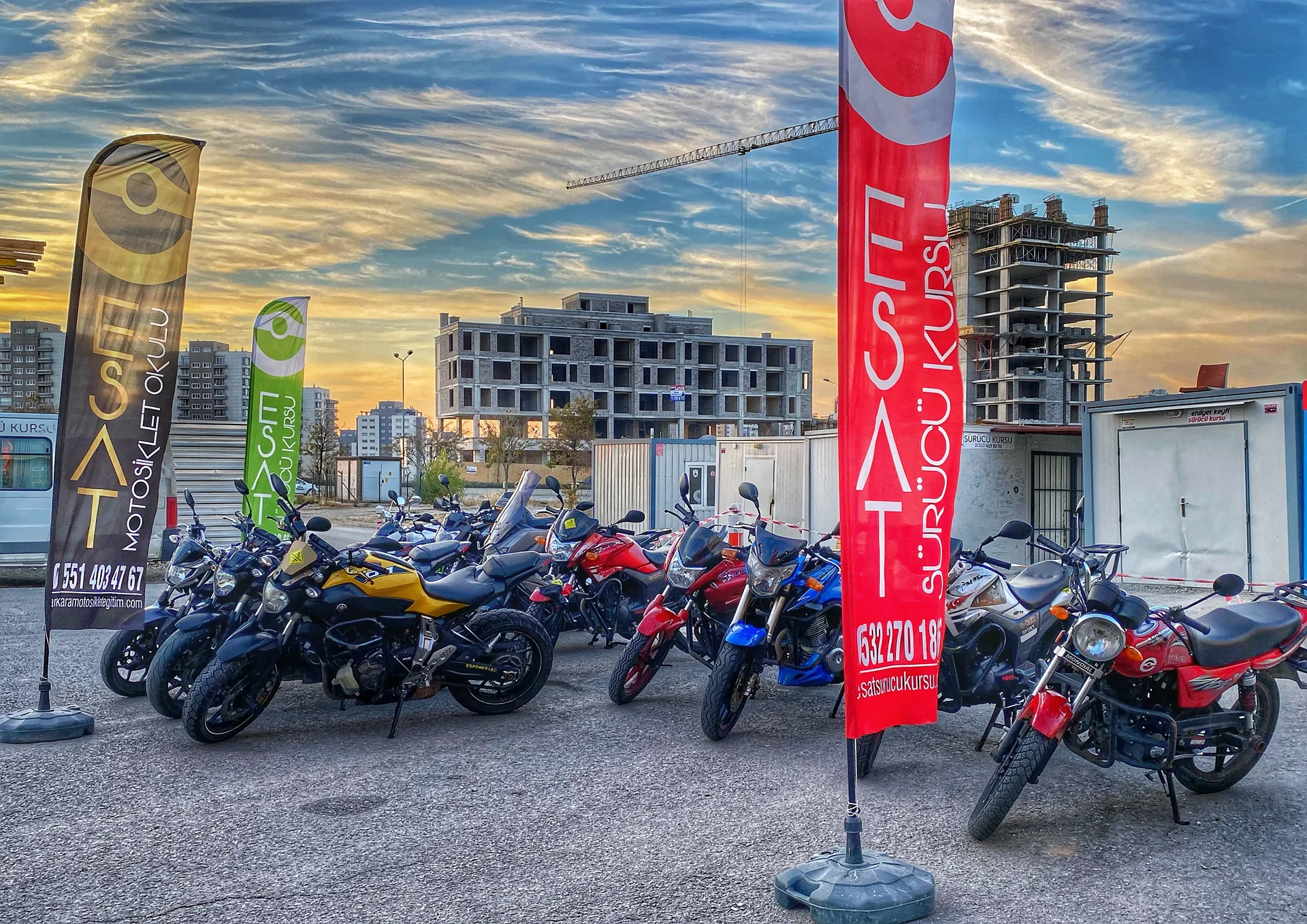
At Esat Motorcycle School, we consider each person’s experience and goals, from first-time learners to riders looking to improve.
Founded by Özde Öztoprak in 2019, Esat Motorcycle School offers training programmes in Ankara Çankaya for people who want to learn how to ride a motorcycle, prepare for the motorcycle licence process and improve their current riding skills. Esat Motorcycle School operates within Esat Sürücü Kursu. We offer our programmes focusing on motorcycle training within this corporate structure. Together with our founder Özde Öztoprak, we want riders to understand each movement, assess their surroundings and recognise their own progress, not merely move the motorcycle.
However, not every candidate starts from the same point. Some learners meet a motorcycle’s controls in their first lesson; others want a refresher after gaining a licence and before riding on the road. In addition, the needs of those who return to riding after a long break, those who switch to a different motorcycle, and those who have difficulty in a certain skill are also different. That’s why we start the training conversation by listening to you first.
Our aim is to put the topics to be learned in an understandable order and relate the studies to the candidate’s current level. Therefore, during the training process, we see asking questions, trying a movement again, and returning to more fundamental work when necessary, as natural parts of learning.
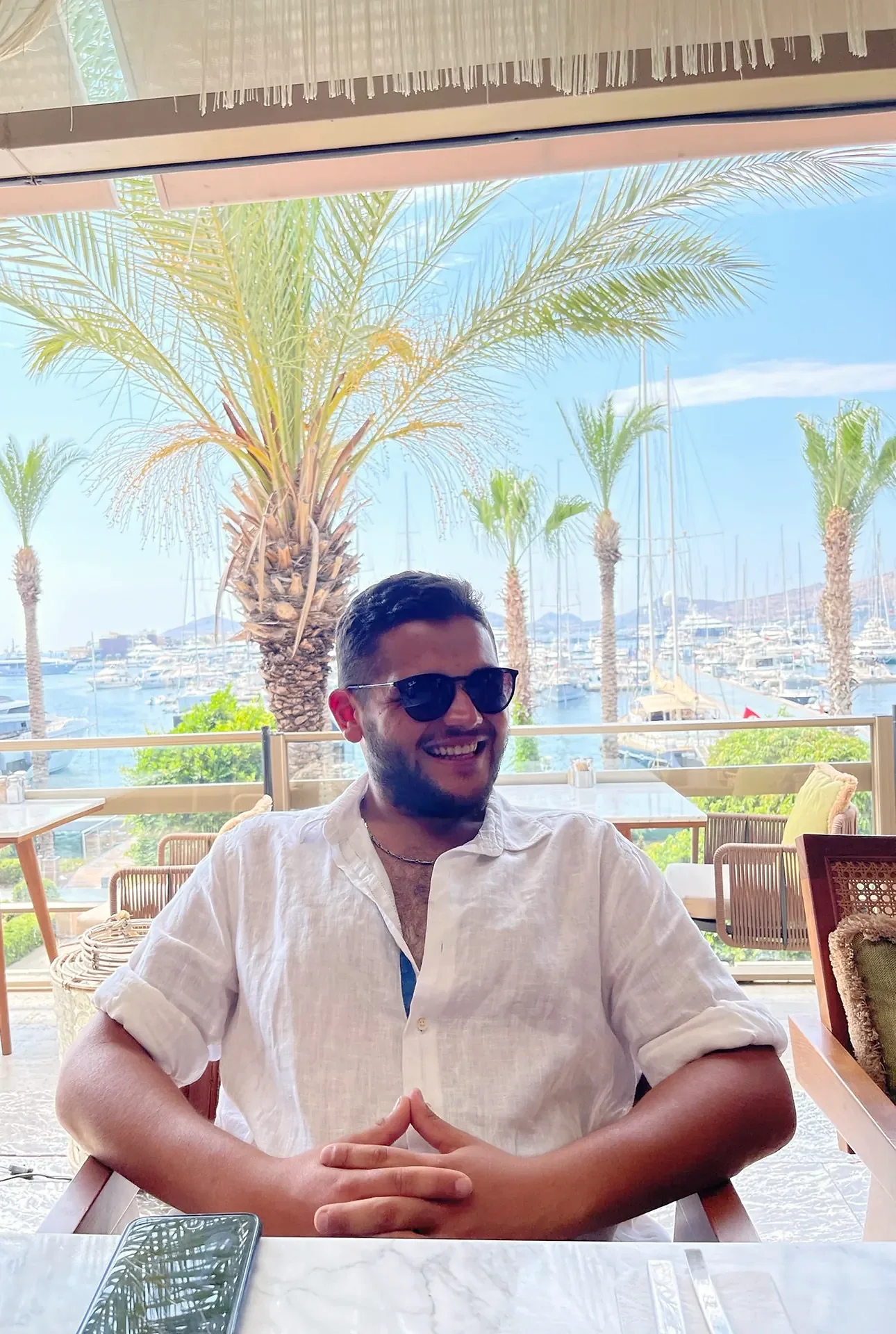
Özde Öztoprak, who founded Esat Motorcycle School in 2019, also takes part in the school’s training team as an instructor.
Open communication, understanding a learner’s expectations and explaining the purpose of each exercise are central to our approach. Saying “I want to ride a motorcycle” is a starting point. Where a learner hopes to ride, what they have tried before and which situations feel uncomfortable all help shape the lesson plan.
Our training team, including our founder, considers each learner’s needs as a whole. From the first conversation to the review after a lesson, we aim to create a learning process in which questions can be discussed openly, the purpose of each exercise is clear and the next areas for improvement are understood.
At Esat Motorcycle School, we do not equate confidence with courage alone. Recognizing your own limits, preparing with the appropriate equipment, evaluating the conditions and postponing riding when necessary are also parts of conscious driving. We include this perspective in our understanding of education.
Meet our training team →We identify needs, practise relevant skills and review progress in connected steps.
We discuss your current motorcycle licence, motorcycle experience and educational goals. We note that a first-time candidate and a returnee to riding may not need the same repetition pattern.
Then we clarify which skill the lesson focuses on. We cover how topics such as getting to know the controls, low-speed stability, using the observation or braking are related to each other.
We repeat exercises as new needs emerge during practice. Finally, talking about which topics have improved and which topics need to be revisited at the end of the lesson helps determine the next step.
Basic exam training is for candidates who want to learn the motorcycle controls and the applications encountered on the exam track. In theoretical training, traffic, first aid, vehicle mechanics and traffic etiquette are discussed. Thus, these two areas help establish a link between knowledge and practice.
On-road and safe riding training cover observation, assessing traffic, where to look, braking and finding space to manoeuvre. Therefore, which phase of the programme is appropriate to participate in is clarified by evaluating the candidate’s level and training conditions.
Adaptation training is considered for riders who want to get used to a new or different motorcycle. Study order, personal goals and participant levels are important in private lesson and group training options. In pillion riding training, the emphasis is on communication with the passenger, changing balance and preparing together.
When choosing a programme, we recommend that you consider the scope, duration, tools and equipment conditions of the course instead of just looking at the name or total fee. You can find current programme details on the relevant pages and consult our school about the option suitable for your situation.
Images of motorcycle training, preparation and protective equipment.
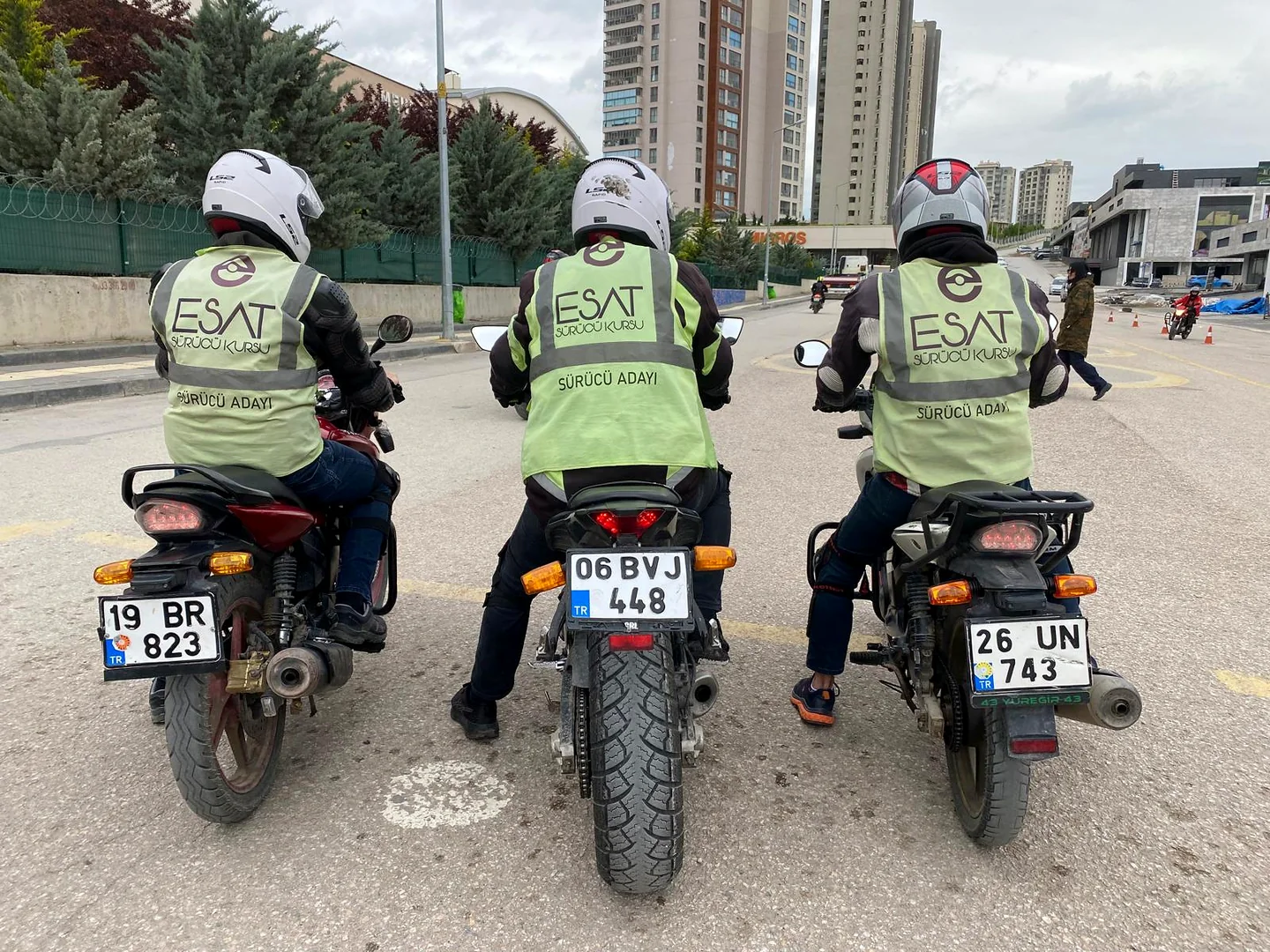
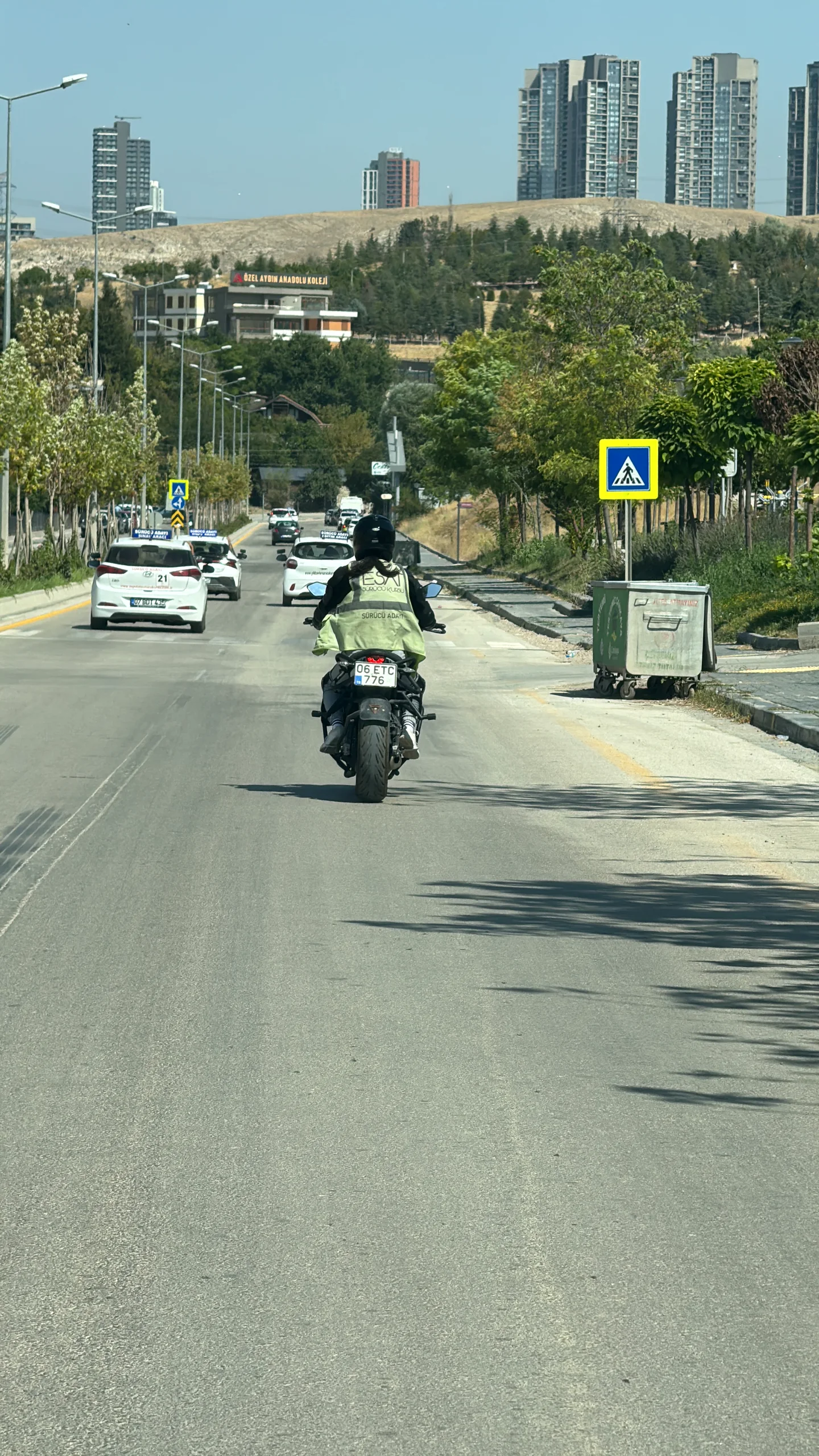
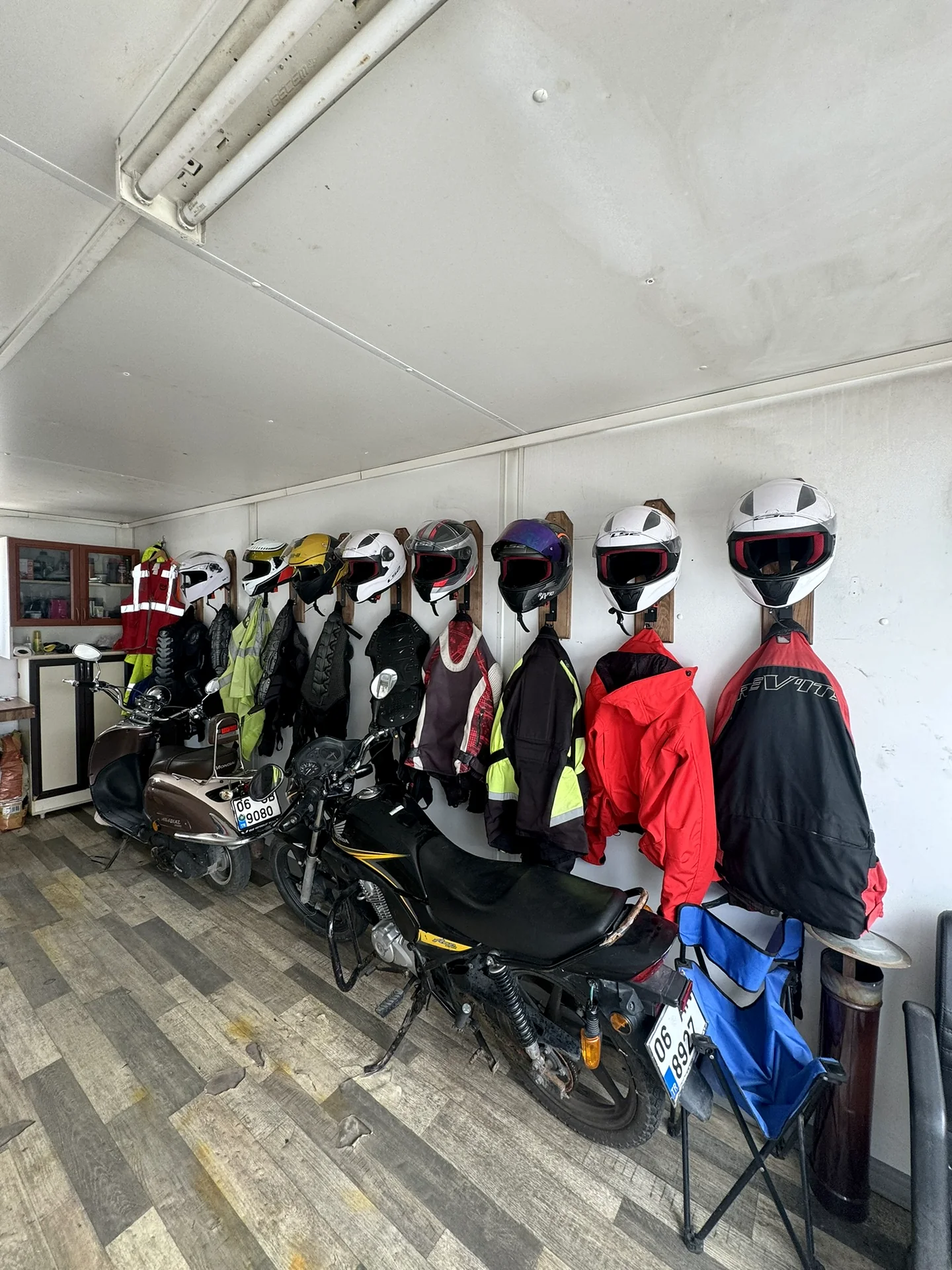
Additionally, sharing your expectations before starting training makes planning easier. Informing whether you have ridden a motorcycle before, your current motorcycle licence, the subject you want to work on and the days you are available is a sufficient start. If you are considering working on your own motorcycle, you can also add model information to the conversation.
Lesson date, meeting point, programme duration, motorcycle use and protective equipment coverage must be clarified prior to registration. In addition, the scope of a programme in the price table may not be the same as the obligations in the official motorcycle licence registration process. Together we will clarify the conditions that apply to your situation.
On the other hand, we care that you focus on your own development rather than comparing your learning speed with other candidates. Feeling the need to repeat something does not mean that the process has failed. Talking about which movement is difficult and why and organising the work accordingly provides a more understandable progress.
Our school’s blog section contains guides about motorcycle preparation, equipment, road conditions and the training process. These Turkish-language guides can help you reflect on lesson topics and prepare questions before speaking with us.
We know that a written guide is no substitute for hands-on training and personalised assessment. For example, reading a movement is not the same as practising that movement in different conditions. We recommend that you consult directly with your instructor on subjects you are unsure of and create a study plan suitable for your level.
For us, training includes staying open to learning after a programme ends. As the road, weather, motorcycle and rider conditions change, new evaluations must be made. That’s why we consider observation, preparation and responsibility awareness together with technical skills.
Motorcycle guides (Turkish) →Contact us if you are preparing for your first lesson, returning to riding after a long break or developing a particular skill. Let’s listen to your experience, discuss your educational goal, and evaluate the details of the appropriate programme together.
Büyükesat Mahallesi Koza 1. Caddesi No:161
Gaziosmanpaşa / Çankaya / ANKARA